
YOGA: A Path to Strength, Balance, and Well-Being
Yoga is an ancient practice that brings together movement, breath, and mindful awareness to support the health of the body, mind, and nervous system. More than just physical exercise, yoga is a holistic practice that helps cultivate strength, flexibility, balance, resilience, and inner peace.
A regular yoga practice can improve posture, increase mobility, build muscle strength, enhance balance, and support joint health. It also encourages healthy breathing patterns, reduces stress, and helps regulate the nervous system, allowing the body to shift from a state of tension into one of greater calm and relaxation.
Beyond its physical benefits, yoga creates an opportunity to reconnect with yourself. It invites you to slow down, become more present, and develop greater awareness of your body and mind. Whether your goal is to relieve stress, recover from the demands of everyday life, improve your fitness, or simply find a moment of peace, yoga offers a supportive path toward overall well-being.
Every body is unique, and yoga meets you exactly where you are. There is no need to be flexible or experienced to begin. With consistent practice, you can build confidence, improve your health, and discover a greater sense of balance that extends far beyond the mat.
-
The secret to healing faster is not meditating more, it’s not about finding the most powerful technique, it’s not about changing or having a more positive mindset and it’s not about clearing your chakras I’m afraid. The speed at which you heal is equivalent to how much truth you can accept emotionally in your heart.
-
Do you have questions about TRE/YOGA and want to have your questions answered and addressed personally? Please set up an appointment with me! Whatever you are interested in I can get you started on your personal journey to healing.
-
Go directly to my schedule and find what works for you here!
-
YOGA & TRE® PACKAGES + GIFT CERTIFICATES AVAILABLE! ✨
Invest in yourself—or give the gift of movement, relaxation, and self-care to someone you love.
Yoga & TRE® session packages and gift certificates are available now through Remember Who You Are Yoga, LLC.
Give yourself—or someone special—the gift of time to breathe, reconnect, and remember who you are. 💛
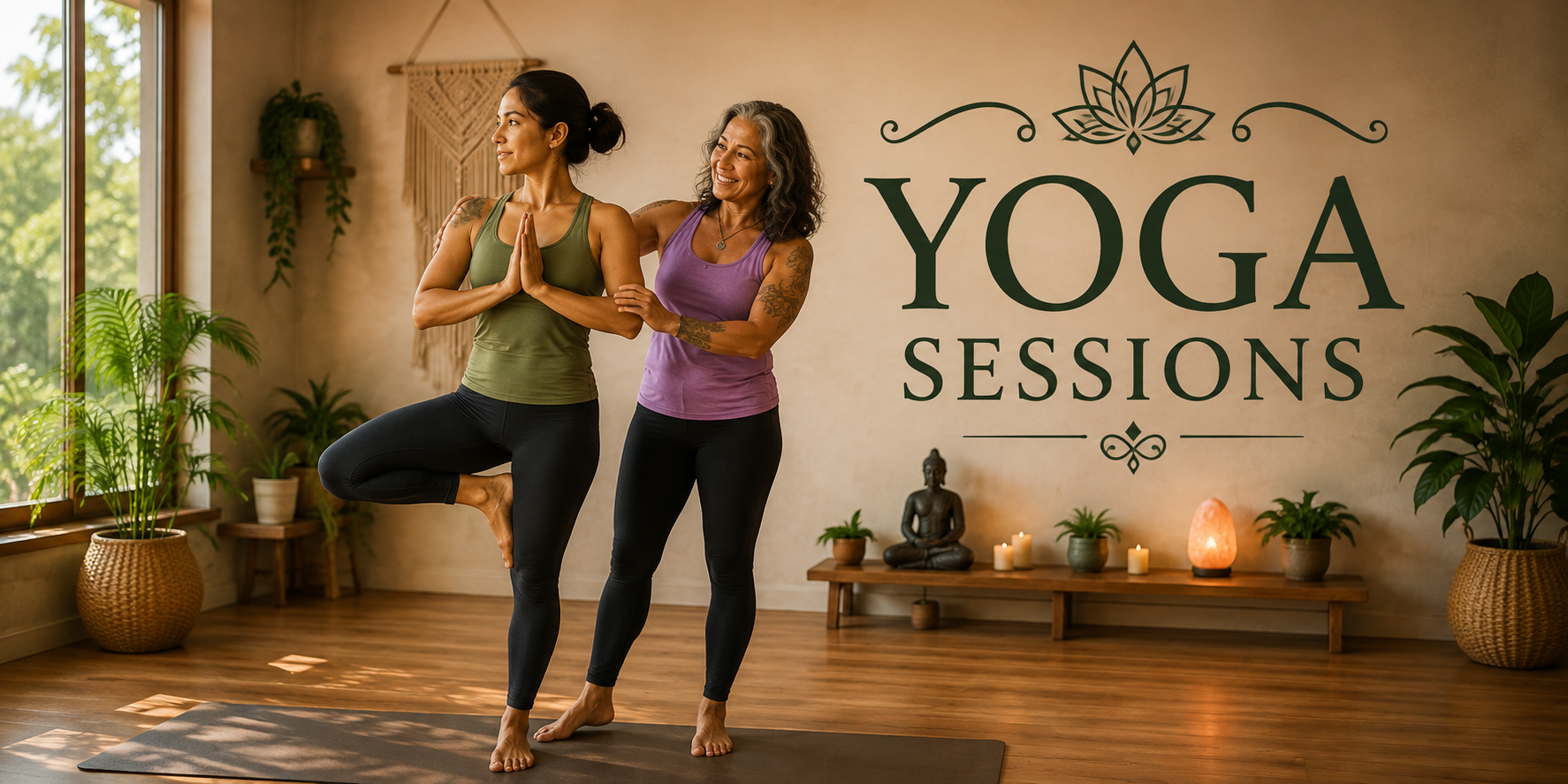
YOGA CLASS DESCRIPTIONS
-
26&2 Meets Power Yoga
Tone, strengthen, stretch, sweat, and breathe as you experience the unique benefits of both 26&2 Yoga and Power Yoga in one dynamic practice.
This thoughtfully designed class combines the foundational 26&2 sequence with the strength, flow, and energy of Power Yoga. As you move through the practice, you'll explore the benefits of the original 26 postures while building upper body and core strength through intentional, flowing transitions.
Expect a balanced practice that develops strength, flexibility, endurance, and body awareness while opening the hips, lengthening the hamstrings, improving spinal mobility, and exploring both forward folds and backbends. Whether you're looking to deepen your practice or challenge yourself in new ways, this class offers something for every level.
I am honored to share my passion for yoga and the knowledge I've gained through years of studying, practicing, and teaching both of these powerful styles. My hope is that you'll leave each class feeling stronger, more balanced, and more connected to yourself—both on and off the mat.
I look forward to practicing with you!
-
TRE® Yoga Session
A TRE® Yoga Session combines the therapeutic benefits of gentle yoga with Tension & Trauma Releasing Exercises (TRE®) to support nervous system regulation, reduce stress, and help the body release deep patterns of tension.
Each session begins with mindful movement, breathwork, and gentle yoga designed to increase body awareness, improve mobility, and prepare the muscles for TRE®. We then transition into the seven simple TRE® exercises that help activate the body's natural tremor mechanism—a gentle, involuntary shaking response that can assist in releasing held stress and tension.
The session concludes with grounding, integration, and guided relaxation, allowing your body and nervous system time to settle and absorb the experience. Throughout the session, you are fully supported, and you remain in control at all times. Every experience is unique, and your body is encouraged to move at its own pace.
A TRE® Yoga Session is ideal for those who are looking to:
Reduce stress, anxiety, and chronic tension
Support nervous system regulation
Improve body awareness and relaxation
Enhance flexibility, mobility, and overall well-being
Complement emotional healing through a body-centered approach
Experience a gentle, trauma-informed practice in a safe and supportive environment
No prior experience with yoga or TRE® is necessary. Whether you are new to these practices or looking to deepen your healing journey, each session is tailored to meet you where you are and support your individual needs.
-
Beginner Yoga is the perfect place to start your yoga journey. Whether you are completely new to yoga, returning after time away, or simply looking for a slower-paced class, you will be welcomed into a supportive, nonjudgmental environment where you can learn and grow at your own pace.
In this class, you'll learn the foundations of yoga, including proper alignment, breathing techniques, and basic postures that help build strength, flexibility, balance, and confidence. Each pose is taught with clear instruction and modifications, making the practice accessible for every body, regardless of age, experience, or fitness level.
Beyond the physical benefits, Beginner Yoga offers an opportunity to reduce stress, calm the mind, and reconnect with your body. As you develop greater body awareness and learn to move with your breath, you'll begin to experience increased energy, improved posture, better mobility, and a greater sense of overall well-being.
There is no need to be flexible or "good at yoga" to begin. Yoga is a personal practice—not a performance—and every posture can be adapted to meet you exactly where you are.
Whether your goal is to feel stronger, move more comfortably, reduce stress, or simply take time to care for yourself, Beginner Yoga provides a safe and encouraging space to begin your journey.
Come as you are, and discover how even the smallest step onto the mat can lead to meaningful changes in your health, your confidence, and your life.
-
Private yoga sessions are thoughtfully designed around your unique goals, needs, and abilities. Whether you are new to yoga, recovering from an injury, managing stress, or looking to deepen your existing practice, each session is personalized to support you exactly where you are.
While group classes offer many benefits, yoga was traditionally taught in a one-on-one setting. This individualized approach allows your practice to be tailored specifically to your body, your experience level, and your personal wellness goals. With dedicated guidance and support, you can progress at a pace that feels comfortable, safe, and effective.
Why Choose a Private Yoga Session?
Private instruction may be right for you if you:
Are brand new to yoga and would like personalized guidance before joining a group class.
Prefer individual attention and hands-on instruction in a supportive environment.
Want to improve flexibility, strength, balance, or posture with a program designed specifically for you.
Are recovering from an injury or managing physical limitations with guidance tailored to your needs.
Experience chronic stress, tension, or anxiety and would like a calming, nervous system-supportive practice.
Want to deepen your current yoga practice with individualized instruction and alignment.
Have specific health or wellness goals that require a customized approach.
Feel intimidated by group classes and would be more comfortable learning in a private setting.
Value a practice that evolves with you as your body, confidence, and goals change.
Each session is more than just learning yoga poses—it's an opportunity to reconnect with your body, improve your overall well-being, and cultivate greater strength, mobility, resilience, and inner peace.
Whether your goal is healing, stress relief, improved physical health, or personal growth, your private yoga session is designed to help you move forward with confidence, one breath at a time.
-
Embodied Yoga for Trauma Healing is a gentle, trauma-informed practice that helps you reconnect with your body in a safe, compassionate, and empowering way. Rather than focusing on achieving perfect poses, this practice emphasizes awareness, choice, and nervous system regulation.
Trauma can leave the body feeling disconnected, tense, or constantly on alert. Through mindful movement, conscious breathing, grounding techniques, and moments of stillness, you will learn to listen to your body's signals with curiosity instead of judgment. Each class is designed to help you cultivate a greater sense of safety, resilience, and trust in yourself.
Every movement is an invitation—not an expectation. You are encouraged to honor your body's limits, make choices that feel right for you, and move at a pace that supports your comfort and well-being. There is no pressure to push beyond what feels safe.
This Practice May Benefit You If You:
Experience chronic stress, anxiety, or nervous system dysregulation.
Feel disconnected from your body or have difficulty relaxing.
Are healing from past trauma and are looking for a body-centered, trauma-informed approach.
Want to improve your ability to regulate your emotions and reconnect with yourself.
Desire a gentle yoga practice that prioritizes safety, choice, and self-awareness over performance.
Benefits of Embodied Yoga
Supports nervous system regulation
Reduces stress and chronic muscle tension
Improves body awareness and mindfulness
Encourages grounding and emotional resilience
Builds confidence, self-compassion, and self-trust
Promotes greater flexibility, balance, and overall well-being
This class is not about forcing change—it is about creating the conditions for healing to unfold naturally. As you learn to reconnect with your body through mindful movement and breath, you begin to develop a deeper sense of presence, inner strength, and resilience.
No previous yoga experience is necessary. You are welcome exactly as you are, and every class is an opportunity to meet yourself with kindness, curiosity, and compassion.
What’s the definition of yoga?
This is a brief introduction to what yoga is all about. If you'd like to learn more, I would love to talk with you during your consultation. We can have an in-depth conversation about the philosophy, history, and many benefits of yoga, or I encourage you to do some research on your own. There are many different styles of yoga, and each offers its own unique experience. The most important thing is finding a practice that feels right for you.
Yoga is a practice that combines movement, breathing, and mindful awareness to strengthen the body, calm the mind, and support overall well-being. The word "yoga" comes from the ancient Sanskrit language and means "to unite" or "to join," symbolizing the connection of the body, mind, and spirit.
While many people first come to yoga for its physical benefits, it is much more than exercise. Yoga is a holistic practice and a way of life that encourages balance, self-awareness, compassion, and living with greater intention. Through regular practice, yoga can improve strength, flexibility, balance, posture, and mobility while also helping to reduce stress, regulate the nervous system, and cultivate a deeper connection with yourself.
No matter your age, experience, or fitness level, there is a style of yoga that can meet you where you are. My hope is to help you discover the practice that supports your unique body, goals, and journey.
The Four Pillars of Yoga
Yoga is much more than physical exercise. It is a holistic practice that nurtures the body, mind, and spirit through movement, breath, mindfulness, and a philosophy for living with greater awareness and compassion.
Physical Postures (Asanas)
Asanas are the physical poses practiced in yoga. They are designed to improve strength, flexibility, balance, posture, and mobility while helping to release tension and increase body awareness. Traditionally, these postures are also believed to help open the body's energy pathways, supporting both physical health and mental relaxation.
Breathing Techniques (Pranayama)
Pranayama is the practice of conscious breath control. The Sanskrit word prana means "life force" or "vital energy," and ayama means "to expand" or "to regulate." Through intentional breathing techniques, practitioners learn to calm the nervous system, improve focus, reduce stress, and influence both their physical and emotional well-being.
Meditation and Mindfulness
Meditation, known as Dhyana, is an essential part of yoga. It cultivates mindfulness, concentration, and present-moment awareness. Regular meditation helps quiet the mind, reduce stress, improve emotional resilience, and foster a deeper sense of inner peace, clarity, and connection.
Philosophy and Ethics
Yoga is rooted in timeless philosophical principles that extend far beyond the mat. These teachings encourage us to live with integrity, compassion, and self-awareness. Practices such as Ahimsa (non-violence), Satya (truthfulness), and Tapas (self-discipline) provide guidance for living a balanced and meaningful life, both in our relationships with others and with ourselves.
Together, these four pillars create a complete practice that supports physical health, mental clarity, emotional resilience, and spiritual growth. Yoga is not about achieving the perfect pose—it is about creating greater harmony within yourself and carrying that balance into your everyday life.